Find the right game
Filter by your child's age, by the skill you want to support, or by player count. Every game links to a full review.
 4+
4+Animal Upon Animal
Crocodile carries sheep carries penguin: the stacking classic for steady hands and a good eye.
 4+
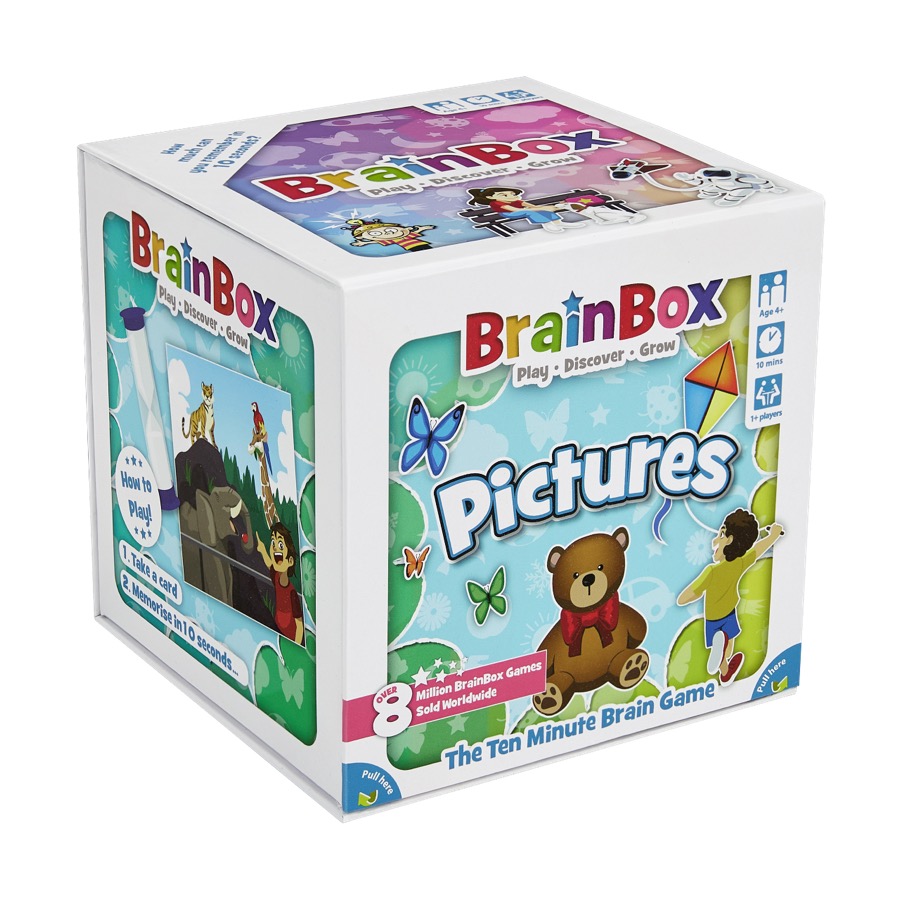
4+BrainBox: My First Pictures
Study a picture for ten seconds, then answer questions: memory training in pocket format.
 4+
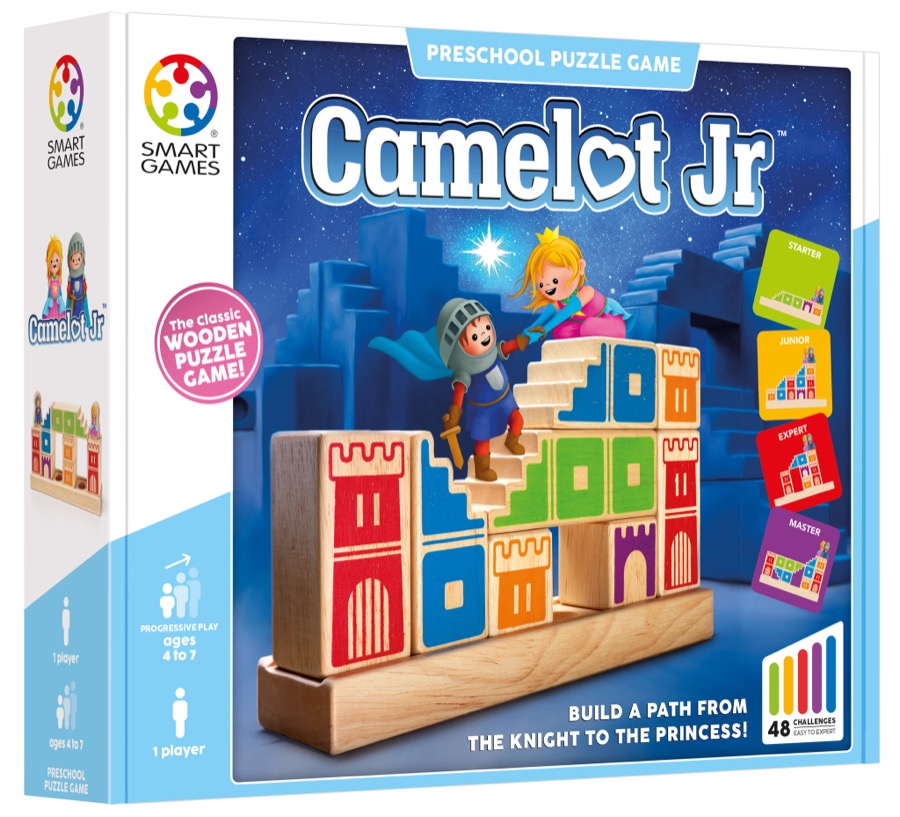
4+Camelot Jr.
Bring the knight and the princess together: a solo logic game with 48 challenges of rising difficulty.
 4+
4+Fiddlesticks
Only your hands are allowed to look: a touch-and-feel game that quietly builds shape vocabulary on the side.
 4+
4+Halli Galli Junior
Two matching clowns? Hit the bell! The reaction classic in a no-counting version – from kindergarten age.
 4+
4+Lucky Sock Dip
Everyone digs through the wild sock pile at once, hunting for matching pairs – search-and-grab fun at full speed.
 4+
4+Zingo!
Bingo with a zing: spot your tiles, grab them fast and fill your card – the perfect first rules-based game.
 5+
5+Bellz!
Fish out only your own bells with the magnetic wand – fingertip control meets risk management.
 5+
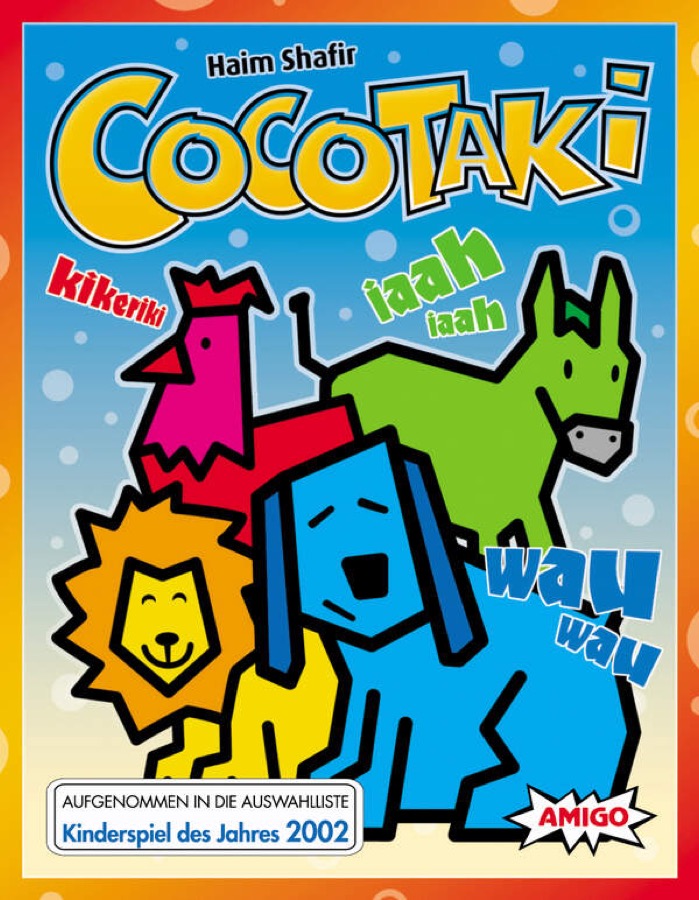
5+Cocotaki
Play a card and make the right animal sound – except on red cards, where everything flips!
 5+
5+Rush Hour Jr.
The ice cream truck is stuck in traffic: a sliding puzzle with 40 challenges – logic training that hooks kids.
 6+
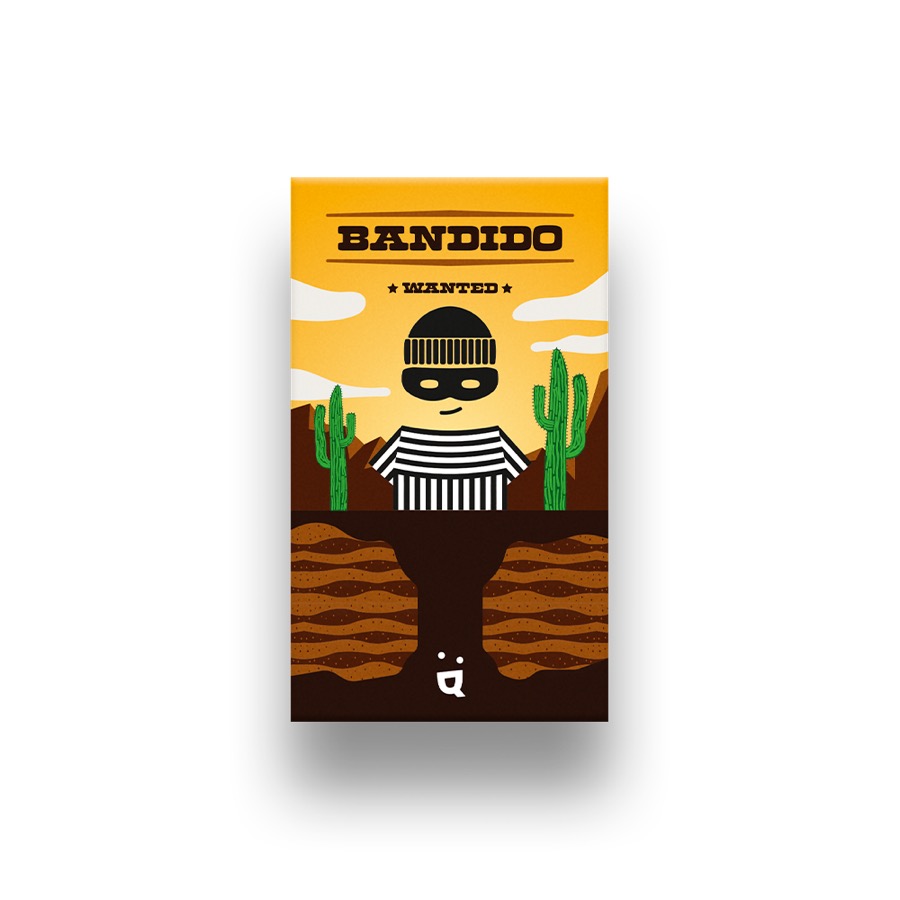
6+Bandido
Block the Bandido's escape tunnels together – a cooperative tile-laying game from Switzerland.
 6+
6+Beaver Gang
Keep your own face-down cards low – forget what lies where, and you'll swap yourself into trouble.
 6+
6+Cockroach Salad
Say "lettuce" while playing a pepper: a Stroop test disguised as a party game – gloriously maddening.
 6+
6+Halli Galli
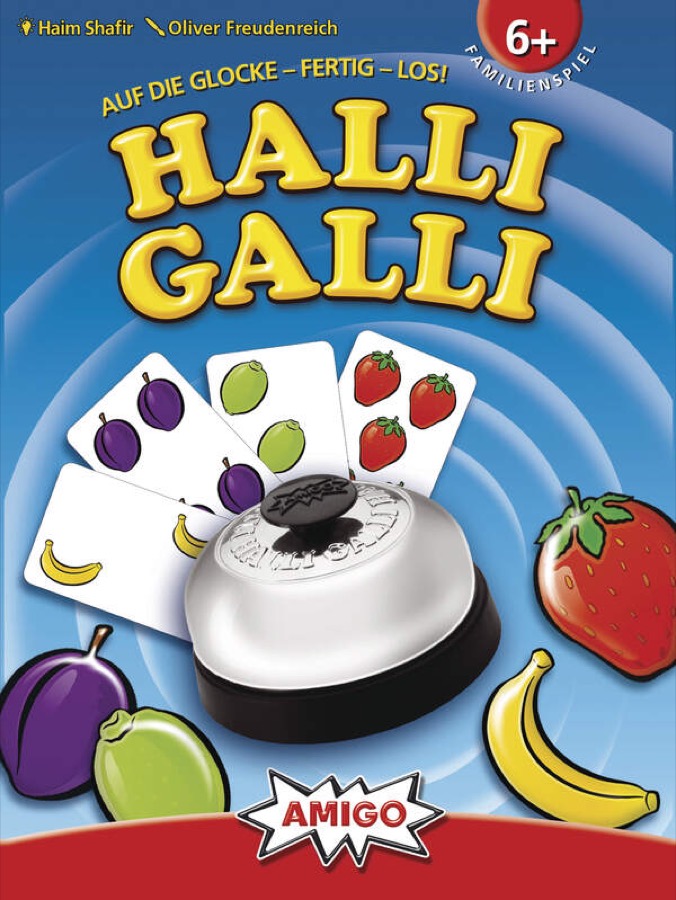
Exactly five matching fruits? Bell! THE reaction classic – and secret number-sense training.
 6+
6+IQ Puzzler Pro
120 challenges in 2D and 3D in travel format: the all-round brain-teaser for on the go.
 6+
6+Qwirkle
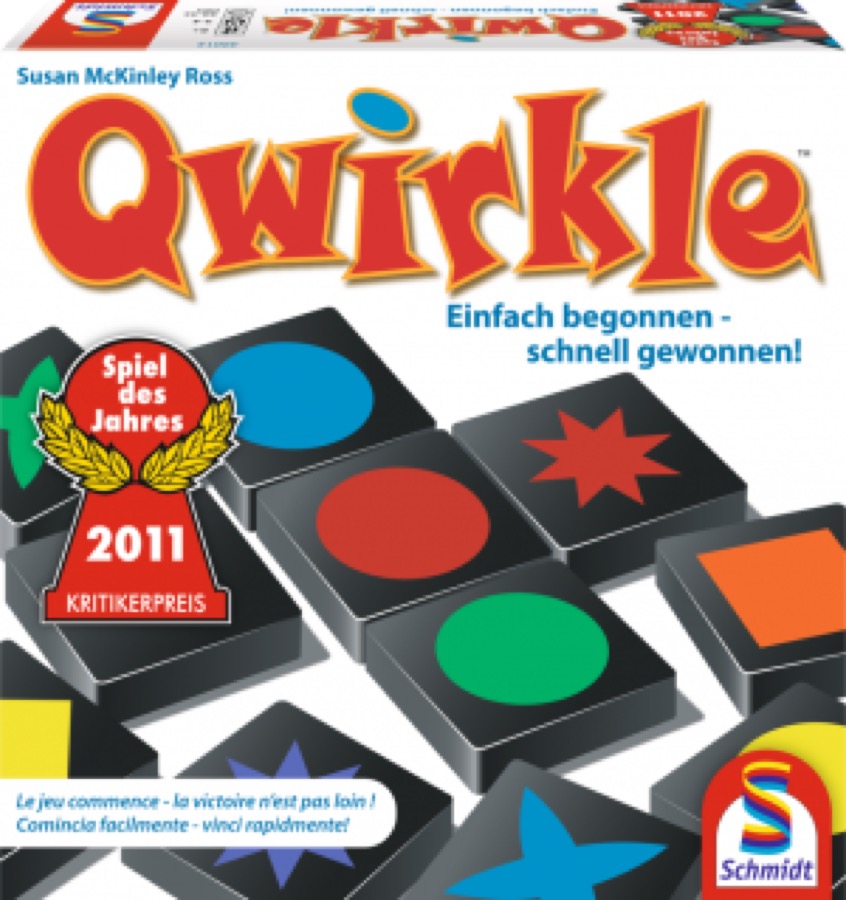
Place colors and shapes cleverly – Game of the Year 2011 in Germany and a family strategy classic.
 6+
6+Rory's Story Cubes
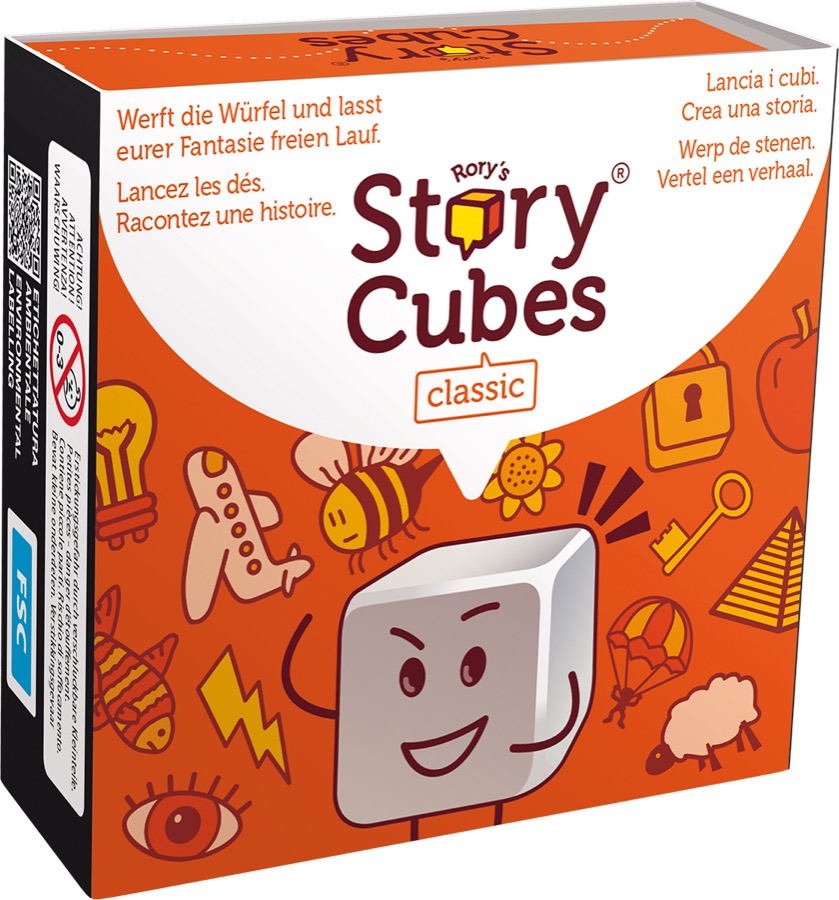
Nine picture dice, endless stories: a storytelling game with no winners and no losers.
 6+
6+Speed Cups
Stack or line up five cups at lightning speed, exactly as the card shows – then hit the bell!
 7+
7+Bananagrams
Everyone builds their own word grid at the same time – Scrabble without the board, but with speed.
 7+
7+Blokus
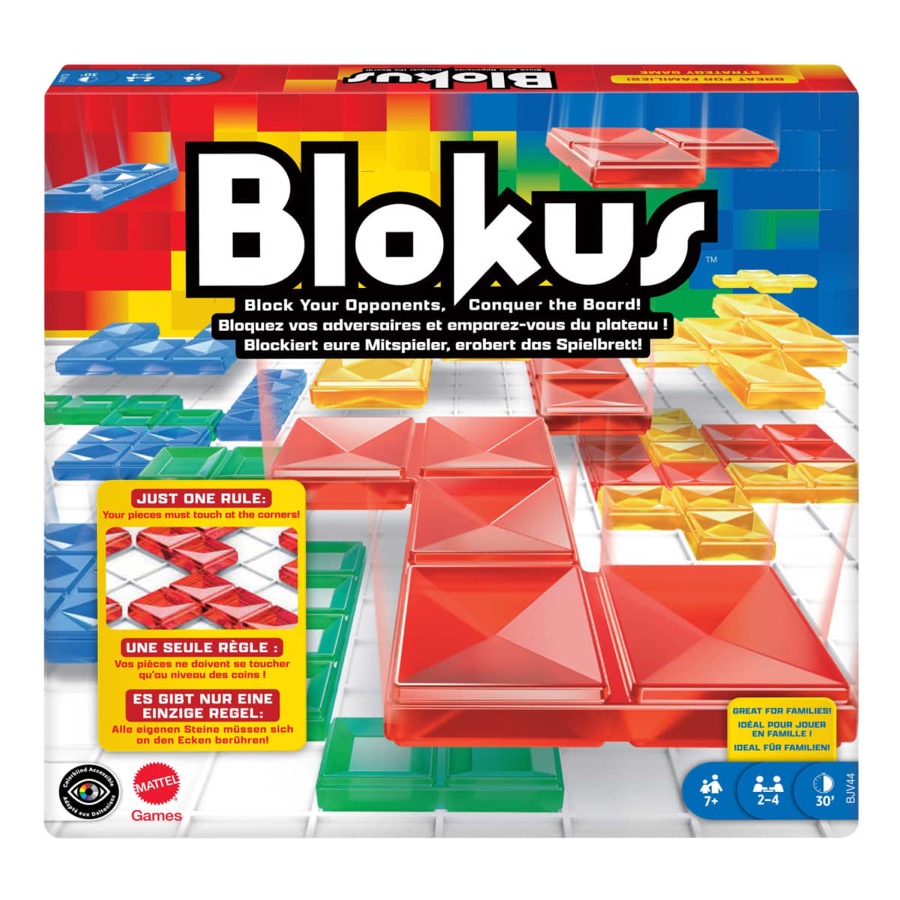
Get all your pieces on the board – each new one touching your own only at a corner. Pure spatial strategy.
 7+
7+Jungle Speed
Matching symbols? Snatch the totem in a flash – but the symbols are devilishly similar.
 8+
8+Dixit
Dreamlike artwork, subtle clues: the game that exercises language feel and empathy at the same time.
 8+
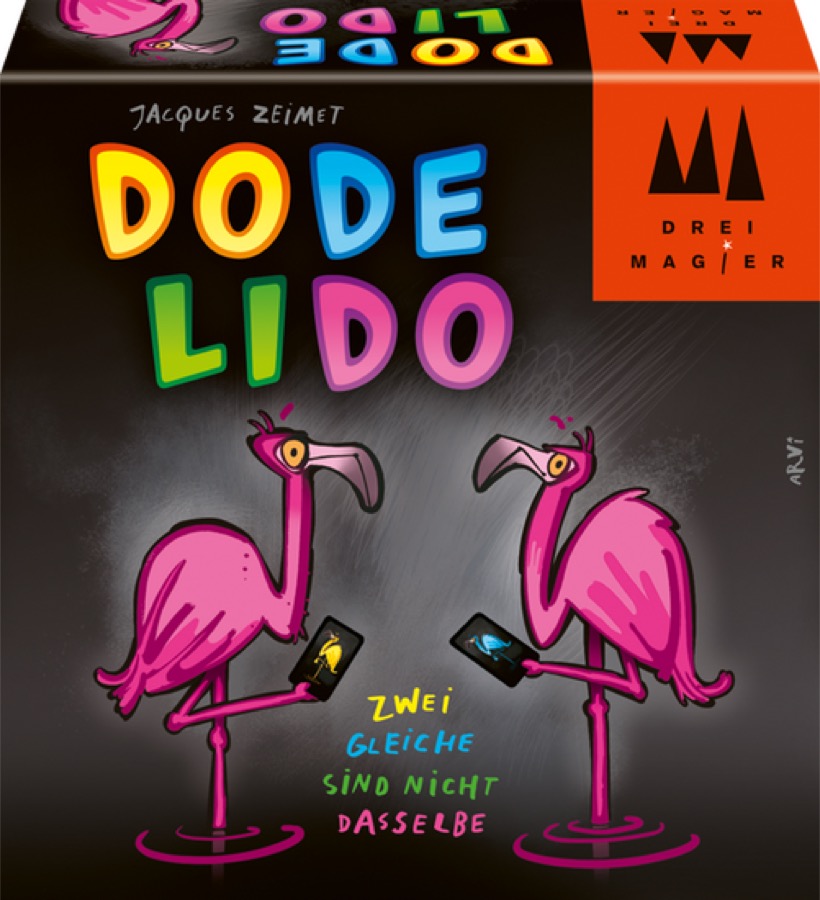
8+Dodelido
Say what appears most often – color? Animal? Or "Dodelido"? Sounds easy. It isn't.
 8+
8+Ghost Blitz
Grab the right object – or the one not shown at all: inhibition training at its very best.
 8+
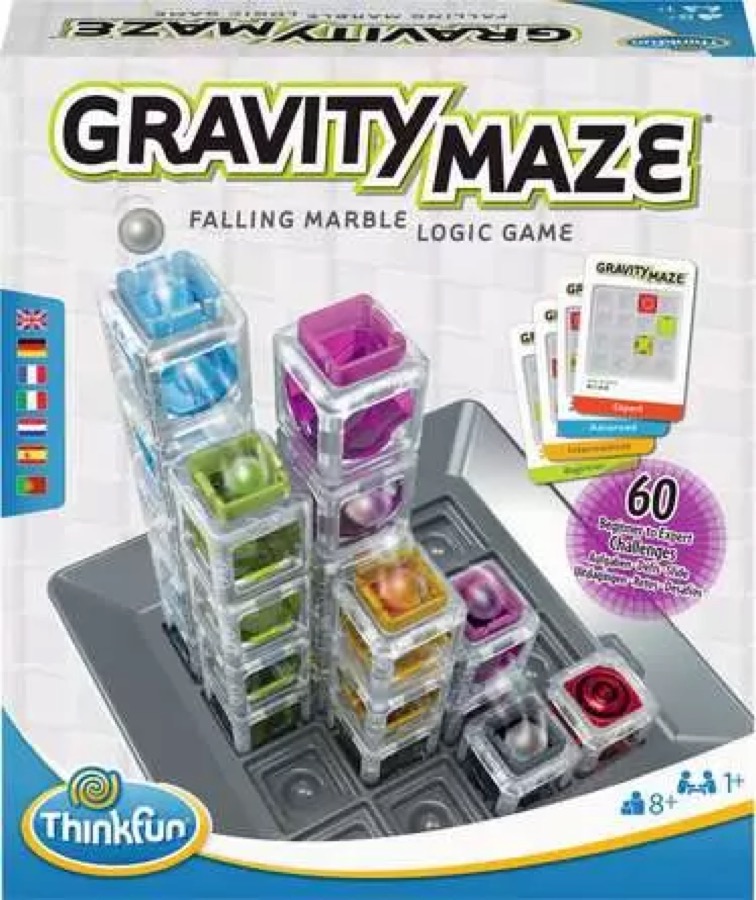
8+Gravity Maze
Build towers so the marble falls from start to target – 3D puzzling with a marble-run reward.
 8+
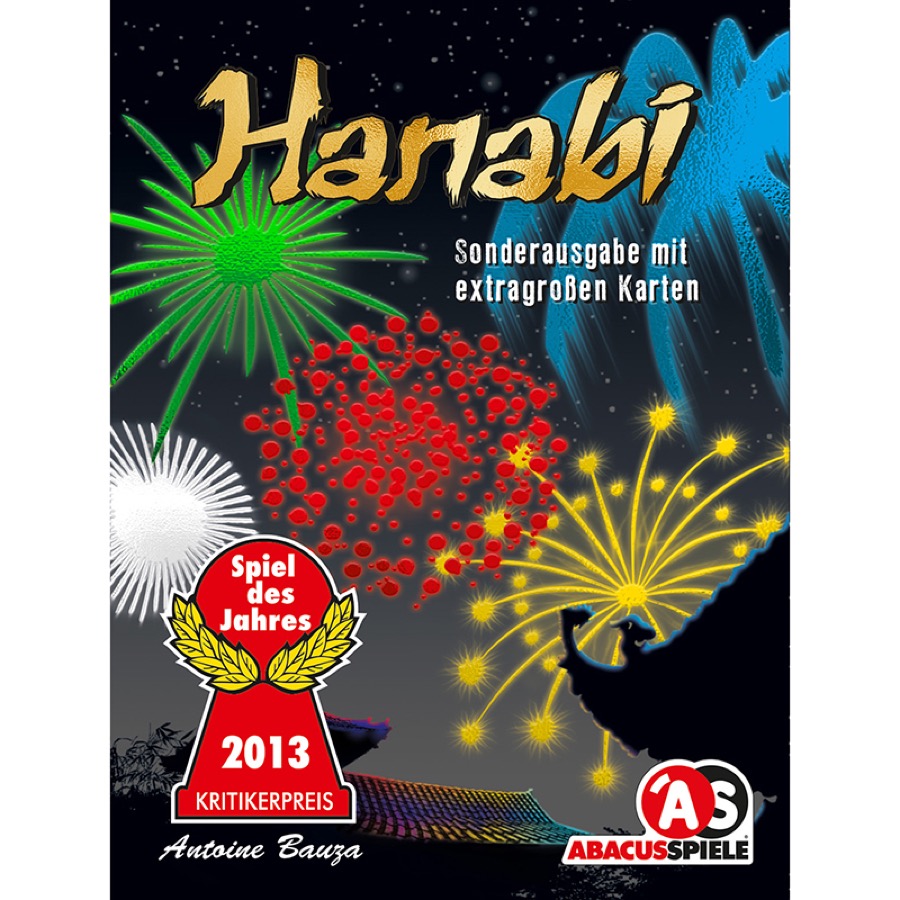
8+Hanabi
Everyone can see your cards – except you: a cooperative fireworks display for the memory.
 8+
8+Just One
Everyone writes one clue – duplicates get wiped: the most heartwarming word game in years.
 8+
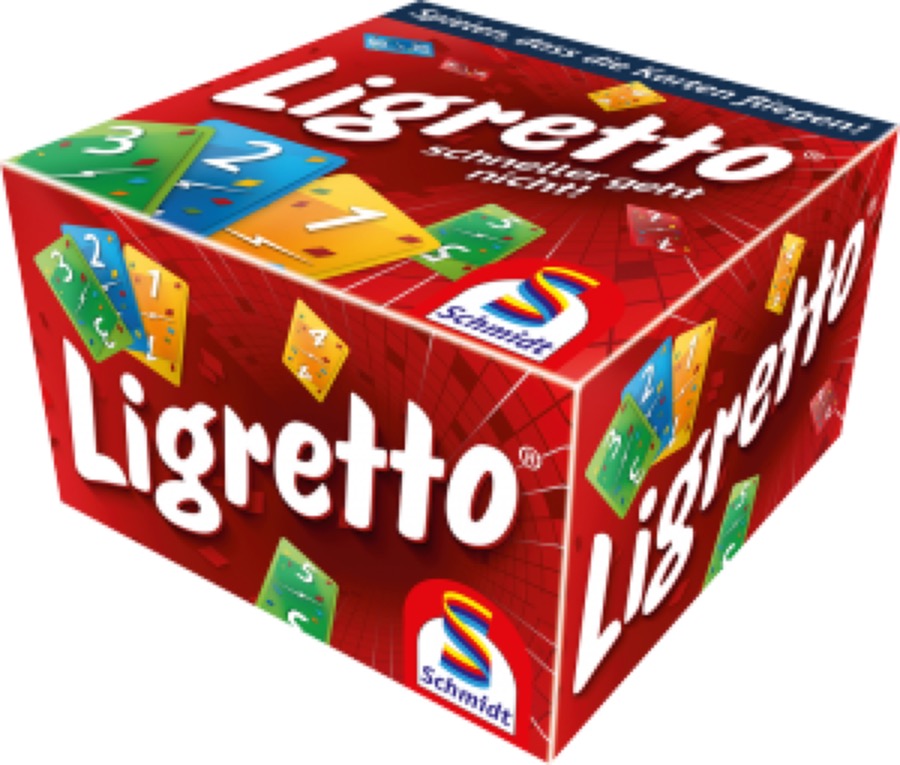
8+Ligretto
Everyone plays at once: dump your cards into the middle at top speed – pace, overview, fast hands.
 8+
8+Lobo 77
Play cards and count out loud – push the total past 77 or land on a double number, and you lose a chip.
 8+
8+Mastermind
Crack the secret color code: deduction in its purest form – the logic classic for two.
 8+
8+Memoarrr!
Memory for advanced players: only matching cards may be revealed – one slip and you're out.
 8+
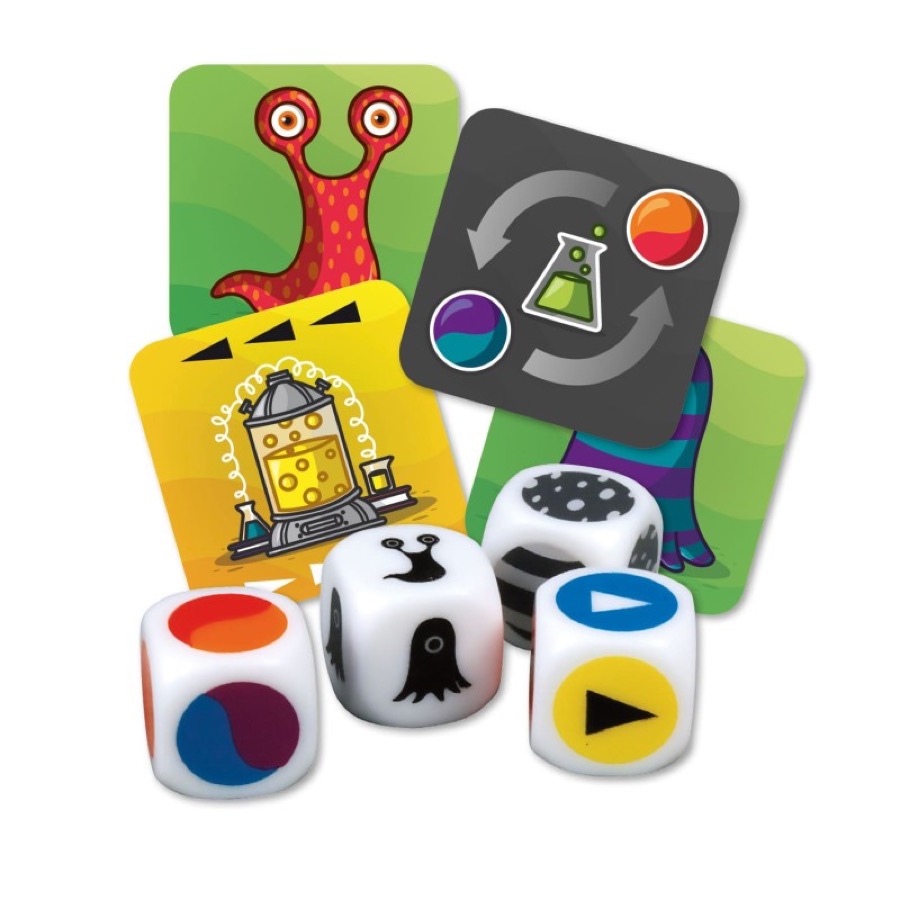
8+Panic Lab
Amoebas on the run: dice show which one is wanted – the path to it follows devious rules.
 8+
8+Pickomino
Roll, count, gamble: roll again or bank the worm? Risk-taking with serious replay appeal.
 8+
8+Rush Hour
The red car has to escape the traffic jam: the benchmark all logic games are measured against.
 8+
8+SET
Four features, one glance: first to spot a valid set wins it – concentration in its purest form.
 8+
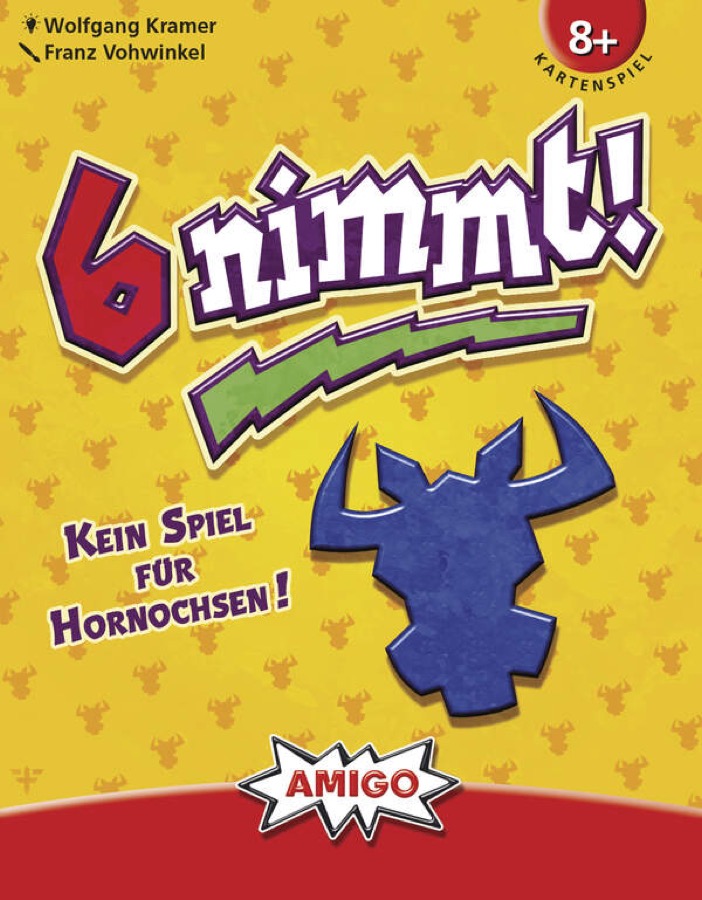
8+Take 5 (6 nimmt!)
Play the sixth card and you take the pile: number logic, risk feel and delicious schadenfreude.
 8+
8+The Game: Quick & Easy
Together against the deck: shed all cards onto two piles, ascending or descending – talk allowed, numbers forbidden.